Forecasting Environmental Health and Risk Measures for your Loan Book, Supply Chain, Farm and More

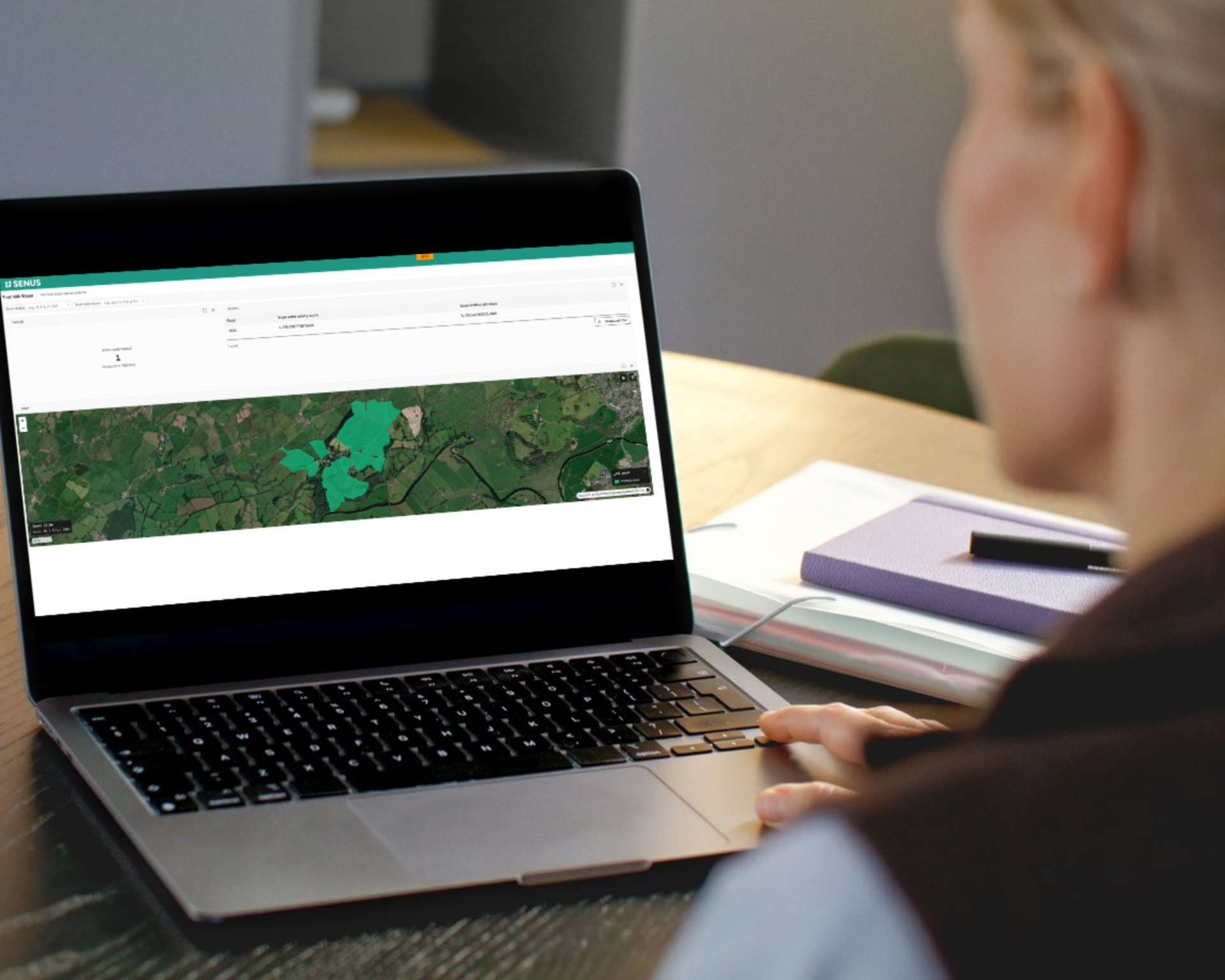
Senus ERA Laptop Mock Up

Senus ERA (Environmental Reporting Assistant) brings clarity not complexity to environmental reporting.

The Environmental Reporting Assistant for Financial Institutions

Senus ERA (Environmental Reporting Assistant) is a purpose-built environmental risk and sustainability analytics platform for financial institutions operating in land-backed and agriculture-exposed portfolios. It converts complex environmental data into clear, standardised risk metrics that can be consistently applied across farm and land assets.

As part of the broader Senus environmental intelligence suite, ERA provides a structured framework to measure, benchmark and monitor environmental performance at borrower and portfolio level. It transforms environmental exposure from a qualitative concern into a quantifiable, defensible input for credit and risk decision-making.

ERA integrates climate, water, biodiversity and pollution datasets into structured, weighted scores aligned with regulatory requirements, including Central Bank expectations, CSRD and TNFD. The platform supports ESG disclosure, supervisory engagement and internal risk governance, while enabling more efficient capital allocation, improved portfolio risk differentiation, and greater transparency for investors and regulators.

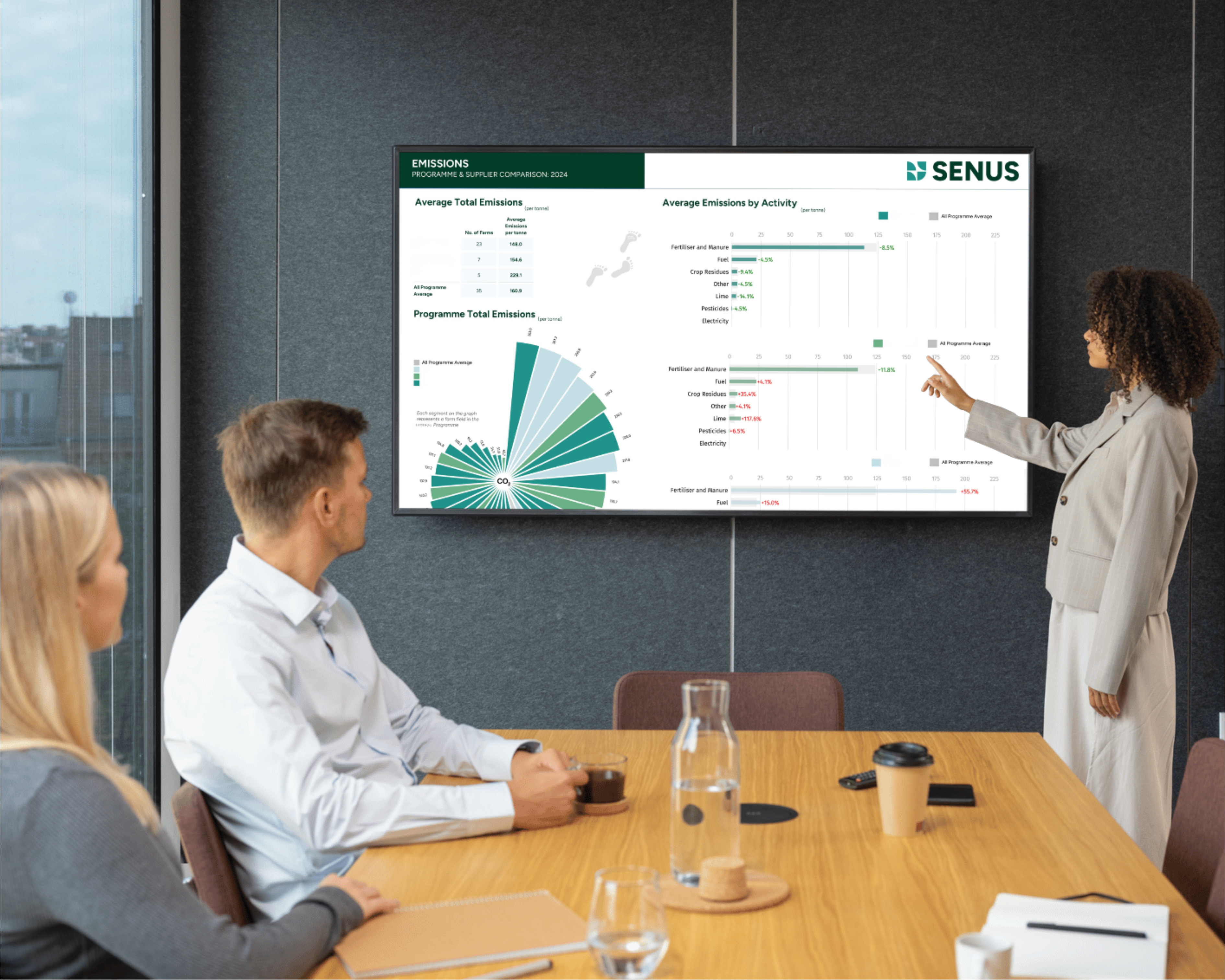
boardroom-ppt-senus

Environmental Monitoring Is Complex

Assessing environmental performance across large and geographically dispersed land areas is both complex and resource-intensive, made even more challenging by disparate and sometimes inconsistent data sources that hinder the creation of a single, trusted view of environmental risk and performance. Environmental analysis frequently depends on time-consuming GIS work and specialist expertise, which can slow down decision-making processes.

At the same time, sustainability and sourcing decisions must remain transparent, evidence-based, and defensible to customers, investors, and regulators. Repeating environmental assessments across different regions or suppliers further compounds the issue, increasing costs, delaying action, and introducing additional operational risk.

ERA offers fast, affordable, scalable, and repeatable analysis of regions and supply chains, enabling organisations to efficiently assess environmental performance at scale. The solution is designed to transform multiple public and proprietary Senus-derived environmental datasets into clear, actionable insights. By generating regional, farm and field-specific metrics, it highlights key environmental, regulatory, and climate-related risks and opportunities, empowering more informed and confident decision-making.

Senus ERA Operates in Three Complementary Ways

Regional Screening

If the objective is to evaluate a broader geography, ERA can assess large land areas at scale and identify priority zones or areas of interest using a model tailored to the client’s specific risk and sustainability criteria.

Site-Level Assessment

Where individual sites or farms are already identified, ERA conducts in-depth environmental assessments using a customised scoring model to determine detailed site characteristics, risks and performance indicators.

Site Verification

In-field environmental measures using a combination of satellite monitoring, geospatial analysis and on-the-ground data such as soil tests and farm records. This multi-layered approach provides clear, auditable evidence of environmental performance, reducing reliance on self-declaration and strengthening credibility with customers, investors, and regulators.

How it Works: Regional Screening

Regional Screening Can Help You:

  • Monitor regional environmental risk.
  • Screen large territories for climate and biodiversity risk.
  • Identify high-value or degraded ecosystems (i.e., peatland rewetting, habitat restoration).
step1-define-area

Step 1:
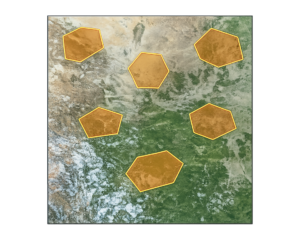
Define areas of interest
Sites at which analyses are required are defined and uploaded to the platform.

step2-data-layers

Step 2:
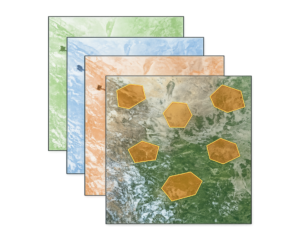
Query relevant data layers
Sites are queried against a set of geospatial datasets relevant to the use case (e.g., climate, land use, topography).

step3-score-rank

Step 3:
Score and rank
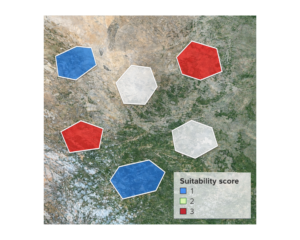
Sites are scored and ranked based on their attributes to identify those most suitable.

How it Works: Site Assessment
senus-desktop

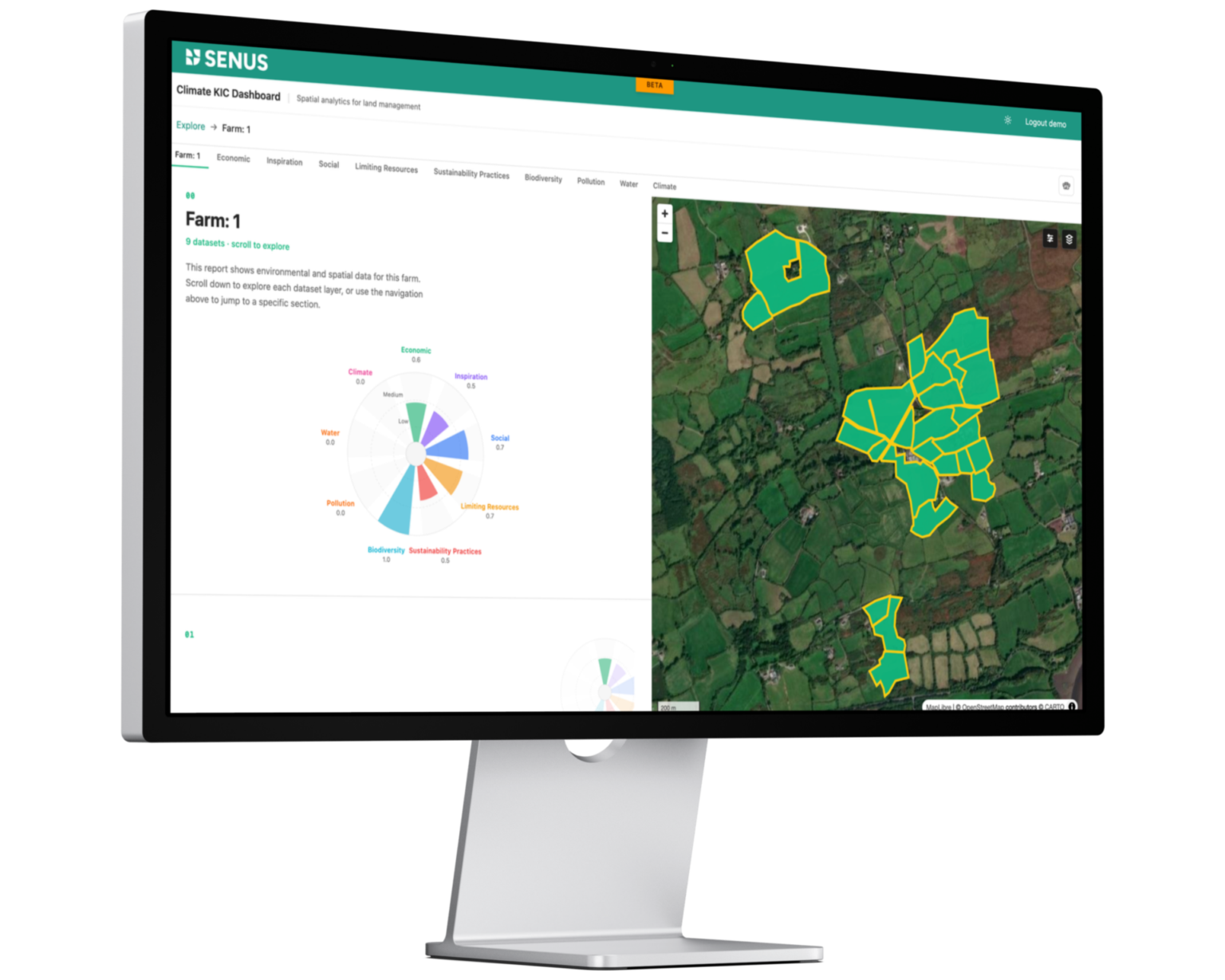
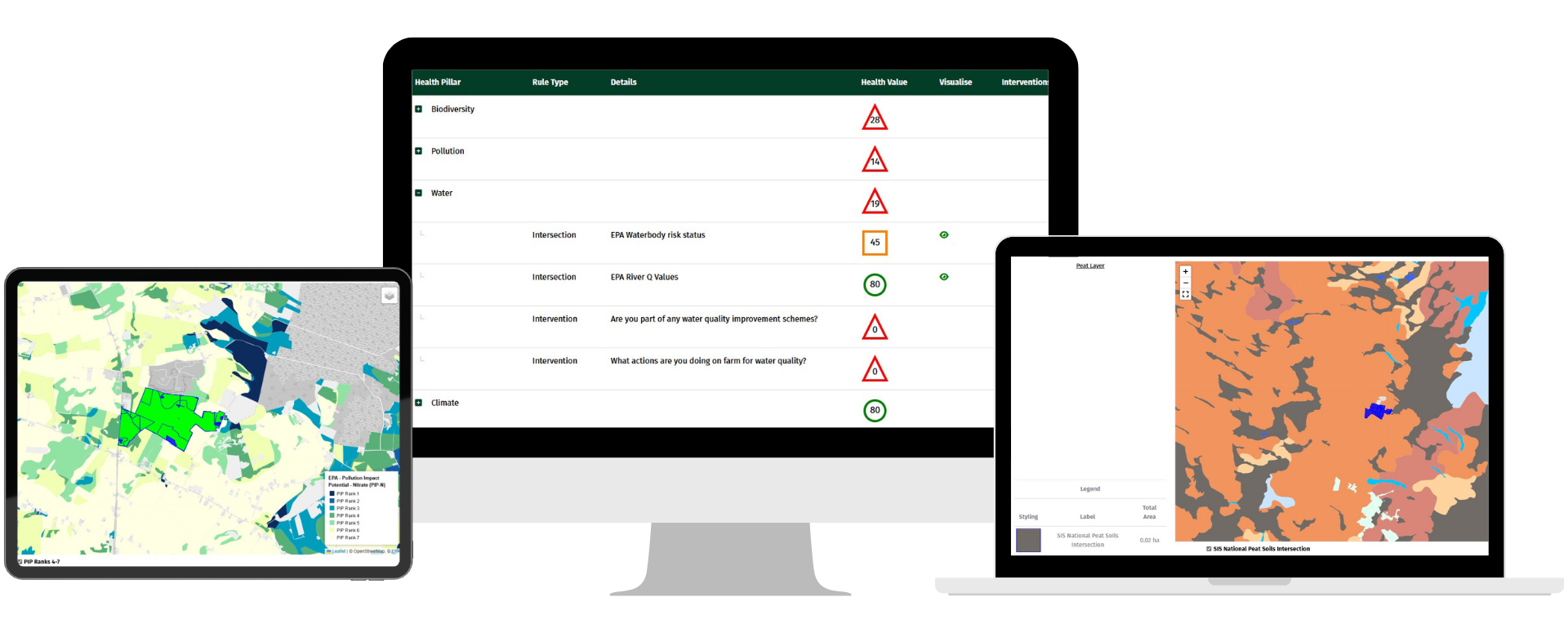
Senus ERA assesses and ranks regions or farms against core environmental pillars aligned with leading sustainability frameworks, including CSRD, TNFD, and Science-Based Targets (SBTi): The core environmental pillars are: Climate & Emissions, Pollution, Water, and Biodiversity. Each pillar draws on robust, publicly available datasets and applies a defined weighting methodology tailored to the client’s strategic and reporting priorities.

The platform generates clear, numeric outputs based on these underlying data layers, creating transparent, consistent metrics that support performance benchmarking, regulatory disclosure and target tracking. This enables organisations to measure progress against climate and nature commitments while strengthening the credibility of their reporting.

How it Works: Site Verification

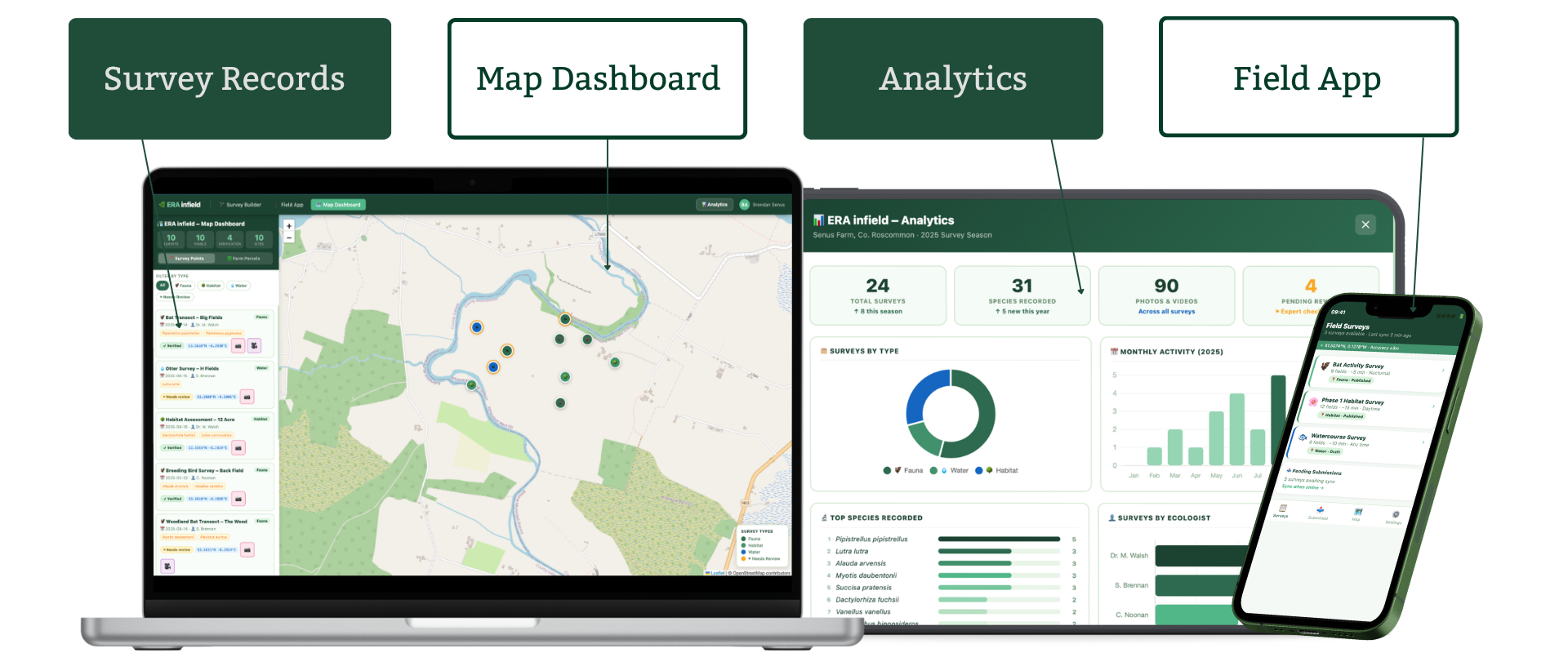
Survey Records

Open any survey for a complete record: georeferenced photos with GPS stamps, species lists with conservation status, field notes, and verification history.

Map Dashboard

All surveys georeferenced on an interactive farm map. Filter by survey type, date or verification status. Click any marker to open the full record.

Analytics

Track survey activity, species counts, surveyors’ workload, and outstanding verification items in a single dashboard view.

Field App

Log survey visits with field actions, field notes, and GPS data. Designed to work outdoors on any device. Numerous data types (number, text, photo, video).

senus-verification-process-imagery

The Benefits of ERA

ERA advances environmental management from reactive reporting to proactive operational control, protecting supply continuity, reducing risk exposure, and enabling smarter, resilience-focused growth.

Provide Visibility of Your Supply Chain

Provide consistent, comparable environmental scoring across farms and regions

Detect And Mitigate Climate and Nature Risk

Map exposure to climate, water and biodiversity risk

Enhance Sustainability Reporting

Standardise and automate environmental metrics across the supply base

Climate Adaptation Planning

Enable opportunity mapping for climate adaptation

Protect Reputational Risks

Provide defensible, data-backed environmental performance metrics

Who is ERA For?

Agri-Corporates

Supply Chain Risk & Resilience

  • Screen sourcing regions for climate and nature risk.
  • Identify high-risk or high-opportunity suppliers.
  • Support regenerative agriculture and adaptation planning.
  • Strengthen sustainability reporting (CSRD, TNFD, SBTi)
  • Protect long-term supply continuity.

Local & National Authorities

Strategic Land & Climate Planning

  • Screen large territories for climate and biodiversity risk.
  • Support spatial planning and zoning decisions.
  • Prioritise adaptation and resilience investment.
  • Provide defensible, data-driven reporting.

Banking & Insurance

Monitoring & Regulatory Oversight

  • Identify high-risk or sensitive areas.
  • Strengthen transparent compliance reporting.
  • Understand portfolio level risk and potential mitigations

Infrastructure & Land-Use Planners​

Early-Stage Site Screening

  • Compare development options using consistent scoring.
  • Flag protected or high-sensitivity areas early.
  • Reduce planning delays and approval risk.
  • Support evidence-based decision-making.​

NGOs & Conservation Bodies

Landscape Prioritisation & Impact Measurement

  • Identify high-value or degraded ecosystems.
  • Prioritise conservation action.
  • Monitor restoration progress.
  • Strengthen funding proposals with quantitative evidence.

Restoration Targeting & Verification

Identify High-Impact Restoration Zones

  • Quantify soil carbon and biodiversity baselines.
  • Track ecological recovery.
  • Provide credible MRV outputs for funders and carbon markets.

Data sources in Ireland

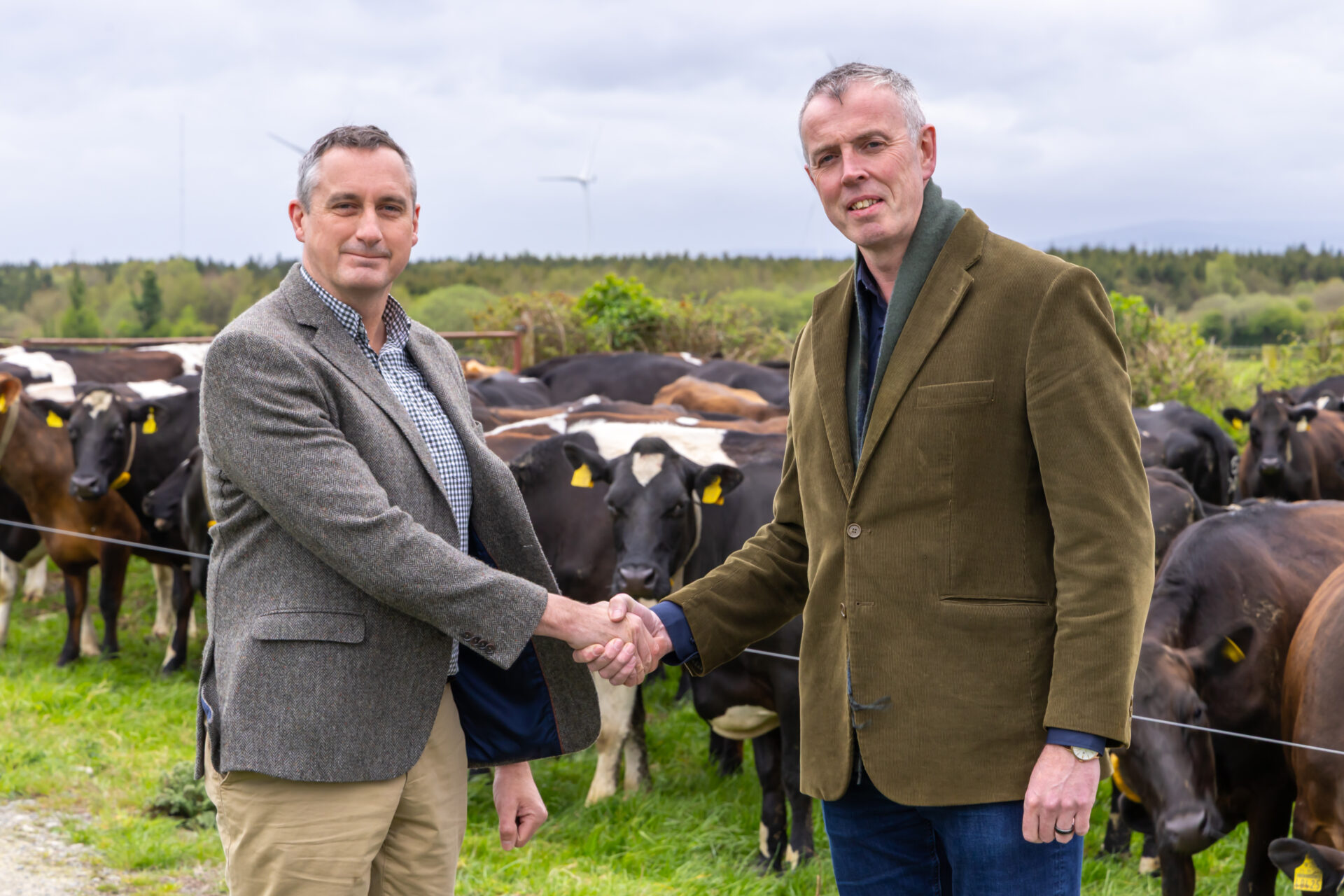
Senus launches Farm Environmental Health Reviews pilot partnership with Bank of Ireland

Banks and financial institutions have a requirement to measure and report the environmental sustainability performance of their agricultural customer loan book. This is necessary to comply with sustainability reporting requirements, such as the Corporate Sustainability Reporting Directive (CSRD) and Capital Buffer Obligations.

To do this, they require a solution that assesses a farms environmental credentials and natural capital.

Alongside Bank of Ireland, Senus has developed a new tool: Senus ERA (Environmental Reporting Assistant). To read more on this, click here. Senus ERA is a desktop web application that serves as an environmental health check tool. Using Senus ERA, banks can make an assessment of a farm’s environmental credentials, using a combination of datasets. 

Currently, Senus ERA is now available in the Republic of Ireland and Great Britain. European specific development is underway.

Book A Demo Today

Connect with one of our experts today and discover how Senus can help you monitor and report environmental and regulatory risks on your loan book, supply chain and land portfolios.